


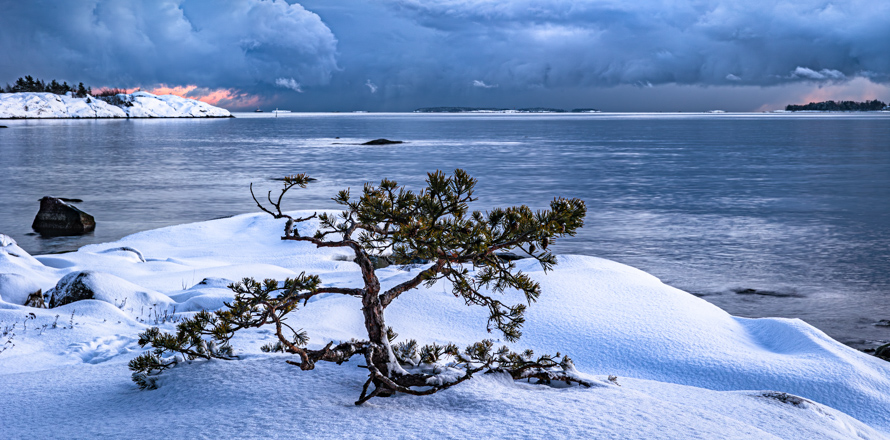
Koneen Säätiön Metsän puolella ja DialogiaAkatemian Suuri Metsädialogipäivä järjestettiin 2.4.2025. Noin sadassa keskustelussa pohdittiin omaa metsäsuhdetta sekä pelkoja ja toiveita metsien tulevaisuudesta. Keskustelujen pohjalta syntyi neljä erilaista tulevaisuustarinaa metsistämme vuonna 2050.
Saimme tehtäväksemme näyttämöllistää tarinat niiden julkistamistilaisuudessa tammikuussa 2026. Yksi skenaarioista oli Suojelumaa 2050, jossa ihmiset käyttävät yhä enemmän metsiä virkistykseen ja metsien ympärille on syntynyt uusia elinkeinoja. Yksi rooleistani oli lääkäri, joka oli siirtänyt vastaanottonsa metsään. Hän myös livestriimasi metsästä, sillä Suomen metsissä elävien lajien reaaliaikaisesta seuraamisesta oli tullut maailmanlaajuista meditatiivista viihdettä.
Kohtauksessa halusimme kääntää katseen toiseen suuntaan.
Metsää ajatellaan usein sen kautta, mitä se tekee meille. Metsä rauhoittaa, laskee stressiä ja sykettä, parantaa mielialaa. Metsäkylpyjä suositellaan, metsäretkiä määrätään ja luonnon terveysvaikutuksia tutkitaan. Mutta entä jos katsoisimme metsää välillä ilman kysymystä siitä, mitä se tekee meille? Katsoisimme kasvia, koska se on siinä. Kuuntelisimme lintua ilman, että meidän tarvitsee tunnistaa sen lajia. Ihmettelisimme metsää sen itsensä vuoksi. Ja ehkä myös itseämme osana sitä.
Miten syntyy kokemus siitä, että kuulun metsään ja luontoon?
Ajattelen lastani ja sitä, mitä hänelle välitän. Odotusaikana muutin pieneen mökkiin metsän reunalle Kirkkonummelle, koska halusin lapseni kasvavan metsän lähellä. Puolentoista tunnin työmatkat ja talvella vuokramökin sisälläkin puhaltava pakkastuuli saivat meidät kuitenkin muuttamaan takaisin kaupunkiin jo ensimmäisenä talvena. Kaupungissakin voi tehdä metsäretkiä. Niitä me teimme. Lapsi oppi puhumaan ja nimesi tärkeän puunsa Hankopuuksi. Ehkä metsäsuhde alkaa juuri näin.
Vauvan ensimmäisiä kokemuksia maailmasta voisi olla makaaminen metsässä vaunuissa ja puiden latvojen katsominen. Vauva ei vielä tiedä, mikä on kuusi ja mikä mänty. Hän ei tiedä, miksi tuuli liikuttaa oksia tai mistä linnun ääni tulee. Hän ei tiedä mitään metsäkylvyistä, kortisolista tai luonnon terveysvaikutuksista. Silti hän oppii, miltä metsä tuntuu. Ehkä hän oppii myös jotain vielä tärkeämpää: että maailma on paljon suurempi kuin ihminen.
Meillä on paljon tietoa luonnosta ja metsistä. Opetamme lapsille luonnon monimuotoisuutta, ilmastokriisiä ja lajien tunnistamista. Se on tärkeää. Mutta tiedon rinnalle tarvitaan suhdetta. Lapsen pitäisi saada tuntea metsä ennen kuin hänen täytyy osata selittää sitä. Hänen pitäisi saada rakentaa maja, maata sammaleella, seurata muurahaista, poimia mustikka ja kastua sateessa. Pysähtyä yhdessä aikuisen kanssa. Jakaa sama kokemus. Hänen pitäisi saada löytää paikka, johon voi palata. Paikasta tulee tuttu. Tutusta paikasta tulee tärkeä. Ja tärkeää paikkaa voi alkaa haluta suojella.
Ehkä metsäsuhteen syntyminen ei siis ole ensisijaisesti tiedon oppimista. Se on muistojen, kokemusten ja tunnesiteiden syntymistä.
Metsä voi opettaa meille, ettemme ole maailman keskipiste. Se voi opettaa odottamista ja hitauden hyväksymistä. Vuodenaikojen vaihtumista. Kuolemaa ja kasvua. Riippuvuutta muista lajeista. Ja ehkä ennen kaikkea kokemusta:
Minä kuulun tähän.
13.9.2026
Minna Savin
Teatterinjohtaja, näyttelijä, yhteisötaiteilija, teatteripedagogi
Kuva: Matti Snellman
Tästä pääset tutustumaan Metsien tulevaisuustarinoihin 2050
Tähän minä kuulun -teksti kuuluu Metsäilmiöitä ja filosofiaa -teoskokonaisuuden blogisarjaan. Lisää sarjan blogeja pääset lukemaan täältä.
This Is Where I Belong
The Great Forest Dialogue Day, organised by Kone Foundation’s Metsän puolella programme and DialogiaAkatemia, took place on 2 April 2025. Around one hundred discussions explored people’s relationships with forests, as well as their fears and hopes for the future of forests. Four different stories about the future of our forests in 2050 emerged from these discussions.
We were asked to bring these stories to the stage at their launch event in January 2026. One of the scenarios was Protected Land 2050, in which people increasingly use forests for recreation and new livelihoods have emerged around them. One of my roles was that of a doctor who had moved her practice into the forest. She also live-streamed from the forest, as real-time observation of the species living in Finland’s forests had become a form of meditative entertainment enjoyed around the world.
With this scene, we wanted to turn our gaze in another direction.
We often think about forests in terms of what they do for us. Forests calm us, reduce stress and lower our heart rate, and improve our mood. Forest bathing is recommended, forest walks are prescribed, and the health benefits of nature are being studied.
But what if, sometimes, we looked at the forest without asking what it does for us?
What if we looked at a plant simply because it is there? Listened to a bird without needing to know what species it is? Wondered at the forest for its own sake. And perhaps saw ourselves as part of it.
How does the feeling of belonging to the forest and to nature come about?
I think about my child and what I want to pass on to them. While I was pregnant, I moved into a small cottage on the edge of a forest in Kirkkonummi because I wanted my child to grow up close to the forest. However, the one-and-a-half-hour commute to work and the freezing winter wind blowing even inside the rented cottage made us move back to the city after our first winter. You can go into the forest from the city, too. And we did. My child learned to speak and named an important tree of theirs Hankopuu – “the branch tree”.
Perhaps this is how a relationship with the forest begins.
One of a baby’s first experiences of the world could be lying in a pram in the forest, looking up at the treetops. A baby does not yet know the difference between a spruce and a pine. They do not know why the wind moves the branches or where the sound of a bird is coming from. They know nothing about forest bathing, cortisol or the health benefits of nature. And yet, they learn what the forest feels like. Perhaps they also learn something even more important: that the world is much bigger than human beings.
We have a great deal of knowledge about nature and forests. We teach children about biodiversity, the climate crisis and how to identify species. This is important. But knowledge needs to be accompanied by a relationship. A child should be allowed to feel the forest before they are expected to explain it. They should be allowed to build a den, lie on the moss, follow an ant, pick blueberries and get soaked in the rain. To stop together with an adult. To share the same experience.
They should be given the chance to find a place they can return to. A place becomes familiar.
What is familiar becomes important. And when a place becomes important, we may begin to want to protect it.
Perhaps, then, developing a relationship with the forest is not primarily about acquiring knowledge. It is about creating memories, experiences and emotional bonds.
The forest can teach us that we are not the centre of the world. It can teach us to wait and to accept slowness. The changing of the seasons. Death and growth. Our dependence on other species. And perhaps, above all, the experience:
I belong here.
13.9.2026
Minna Savin
Theatre Director, Actor, Community Artist, Theatre Pedagogue
Photo: Matti Snellman
You can read more about Four Stories of the Future of Forests in 2050 here